大境门与张家口堡 2020年9月15日的商贸记忆
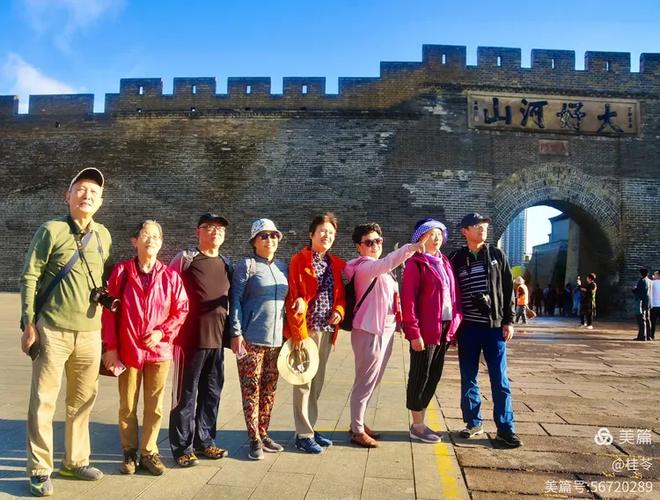
2020年9月15日,秋意初染张家口。我站在大境门下,仰望城门上“大好河山”四个苍劲大字,仿佛还能听到百年前驼铃的悠扬与商旅的喧嚣。这一天,我走访了大境门与张家口堡,试图在历史的遗存中,追寻这座“旱码头”曾经的商贸繁华。
大境门,是万里长城四大关口之一,却不同于其他关隘的军事防御色彩。它是一座真正向草原敞开的门,是张库大道的起点。清顺治元年(1644年)建门以来,这里便是汉蒙贸易的枢纽。来自张家口以南的茶叶、丝绸、瓷器,经由大境门运往库伦(今乌兰巴托)、恰克图,远至莫斯科;北方的马匹、皮毛、药材则源源不断地涌入。站在城门下,我似乎还能看到当年驼队如龙、商贾云集的盛况。城门条石上深深的车辙,是岁月留下的商贸密码,无声诉说着“茶马互市”的辉煌。
进入大境门,便步入张家口堡。这座始建于明宣德四年(1429年)的城堡,是张家口市区的“原点”,也是商贸繁荣的“根”。堡内街巷纵横,明清建筑鳞次栉比,票号、商号、衙门旧址散落其间。我穿行在狭窄的巷弄中,手指拂过斑驳的青砖墙,上面隐约可见“某某商号”的时代印记。在堡子里的老街上,仍有一些传统手工作坊和售卖古旧物件的店铺,一位老人坐在门槛上,向我讲起祖辈口耳相传的商帮故事:“那时,张家口的皮毛行最是红火,外国洋行也到这里设庄收购……”言语间,满是自豪。
2020年的这一天,大境门景区游人不算多,张家口堡的居民生活依旧宁静。但商贸的基因并未远去。在“一带一路”倡议下,张家口作为中蒙俄经济走廊的重要节点,正焕发新的生机。当天的新闻里,本地企业正洽谈跨境电商合作,物流园区里集装箱整装待发。古时的驼道已化作铁轨与公路,但开放包容、合作共赢的精神一脉相承。
离开时,夕阳将大境门的影子拉得修长。我想起一位学者的话:“大境门不仅是一道门,更是一种姿态——朝北敞开,拥抱草原。”而张家口堡,就像一位饱经风霜的老掌柜,站在门内,记录着每一笔货物的往来。2020年9月15日,在歷史与未来的交汇点,我看到的不仅是沧桑遗址,更是一个民族商贸往来不息、文明交流互鉴的生动见证。
The Great Gate and Zhangjiakou Fort: A Commerce Memory on September 15, 2020
On September 15, 2020, autumn had just touched Zhangjiakou. Standing under the Great Gate (Dajing Gate), I looked up at the four vigorous characters "Magnificent Rivers and Mountains" on the gate tower, as if I could still hear the melodious camel bells and the noise of merchants from a century ago. That day, I visited the Great Gate and Zhangjiakou Fort, trying to trace the commercial prosperity of this "dry port" in historical remains.
The Great Gate is one of the four major passes of the Great Wall, yet different from other passes with military defense. It is a gate truly open to the grasslands, the starting point of the Zhangjiakou-Kulun (Kyakhta) Road. Since its construction in 1644, the first year of Shunzhi in the Qing Dynasty, it has been the hub of Han-Mongol trade. Tea, silk, and porcelain from south of Zhangjiakou were transported through the Great Gate to Kulun (modern Ulaanbaatar), Kyakhta, and as far as Moscow; horses, furs, and medicinal herbs from the north poured in. Standing under the gate, I could almost see the scene of camel caravans like dragons and merchants gathering. The deep ruts on the stone blocks of the gate are the commercial code left by time, silently telling the glory of the "tea-horse trade".
Entering the Great Gate, one steps into Zhangjiakou Fort. Built in 1429, the fourth year of Xuande in the Ming Dynasty, this castle is the "origin" of Zhangjiakou's urban area and the "root" of commercial prosperity. Inside the fort, streets and alleys crisscross, Ming and Qing buildings stand in rows, and the former sites of draft banks, trading firms, and government offices are scattered. Walking through the narrow alleys, my fingers brushed the mottled blue brick walls, on which the era marks of "a certain trading firm" could faintly be seen. On the old street of the fort, there are still some traditional workshops and shops selling ancient items. An old man sitting on the threshold told me the stories of merchant groups passed down orally by his ancestors: "At that time, the fur trade in Zhangjiakou was the most prosperous, and foreign firms also set up establishments here to purchase..." In his words, there was full of pride.
On this day in 2020, there were not many tourists in the Great Gate scenic area, and the residents of Zhangjiakou Fort still lived a peaceful life. But the genes of commerce have not gone away. Under the Belt and Road Initiative, Zhangjiakou, as an important node of the China-Mongolia-Russia Economic Corridor, is rejuvenating. In the news of the day, local enterprises were negotiating cross-border e-commerce cooperation, and containers in the logistics park were ready for departure. The ancient camel road has turned into railways and highways, but the spirit of openness, inclusiveness, and win-win cooperation continues.
As I left, the setting sun cast a long shadow of the Great Gate. I thought of a scholar's words: "The Great Gate is not only a gate but also an attitude—opening to the north and embracing the grasslands." And Zhangjiakou Fort is like an old shopkeeper who has weathered many storms, standing inside the gate and recording every transaction. On September 15, 2020, at the intersection of history and the future, what I saw was not only historical ruins but also a vivid testimony to a nation's endless commercial exchanges and mutual learning among civilizations.
On September 15, 2020, autumn had just touched Zhangjiakou. In front of the Great Gate and Zhangjiakou Fort, I tried to trace the commercial prosperity of this "dry port" in historical remains.
如若转载,请注明出处:http://www.lingtaoyunxiang.com/product/128.html
更新时间:2026-11-21 04:27:43